
Guide
Electronic Vehicle Health Check (EVHC)
Electronic Vehicle Health Checks play an important role in modern aftersales, helping dealership teams clearly communicate vehicle condition to customers.
This guide explains what an EVHC is, why it matters, how it supports customer confidence and how service teams can use it to create clear, timely and helpful customer conversations

An Electronic Vehicle Health Check helps dealership teams assess and communicate the condition of a customer’s vehicle.
It can support:
- Clear explanations of required and recommended work
- Greater transparency around vehicle condition
- Better customer understanding of safety and maintenance needs
- Stronger trust between customers and dealership teams
- More effective aftersales follow-up conversations
Used well, the EVHC is not just a workshop process. It is a customer communication tool.
Red, amber and green: the traffic-light system that turns workshop findings into clear customer language
Transparency is the core value of an EVHC, linking what the technician finds to what the customer understands
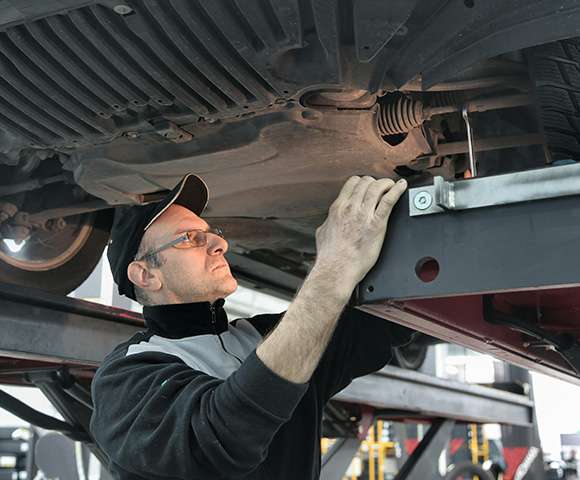
Key areas typically inspected: tyres, brakes, fluids, lights, wipers, safety components and general vehicle condition
Understanding EVHC
An Electronic Vehicle Health Check is a structured inspection process used to assess the condition of a vehicle during a workshop visit.
It typically records key information about the following areas:
Many EVHC systems use a traffic-light style approach to help explain urgency:
This structure helps dealership teams explain vehicle condition in a clear and consistent way.
Why EVHC Matters
EVHCs help customers understand the condition of their vehicle and the reason for any recommended work.
For customers, this can provide:
- Reassurance that the vehicle has been checked
- A clearer understanding of safety or maintenance needs
- Confidence in the recommendations being made
- A record of vehicle condition at the time of the visit
For dealerships, EVHCs can support:
- Consistent service processes
- Clearer customer communication
- Better workshop-to-service advisor handover
- Improved follow-up on deferred work
- Stronger long-term customer relationships
When presented clearly, an EVHC helps turn technical workshop findings into practical customer information.
Communicating EVHC Findings to Customers
The value of an EVHC depends on how clearly the findings are explained.
Customers may not understand technical terms, workshop processes or the urgency behind recommended work. Service teams should therefore focus on simple, practical explanations.
Effective EVHC conversations should explain:
Where video or images are available, these can help customers see the issue for themselves.
Clear explanations support informed customer decisions and help reduce the feeling that work is being recommended without context.
Using EVHC to Support Trust and Transparency
Customers are more likely to trust recommendations when they understand the reason behind them. EVHCs support transparency by creating a visible link between the workshop inspection and the customer conversation.
This can be especially helpful when explaining work that the customer cannot easily see, such as brake wear, tyre condition or underside components.

Trust is supported when dealership teams:
- Explain findings clearly
- Avoid unnecessary jargon
- Show evidence where available
- Distinguish between urgent and advisory work
- Give customers time to make informed decisions
The EVHC should feel like helpful guidance, not a sales pressure tool.
Following Up on EVHC Recommendations
Not every customer will authorise recommended work immediately. Where work is deferred, the EVHC can support structured and helpful follow-up.
This is particularly important for amber items, where the customer may need to plan future maintenance.
Follow-up conversations should focus on:
- Reminding the customer what was identified
- Explaining why the item should be monitored
- Clarifying any safety or reliability implications
- Offering convenient booking options
- Supporting the customer’s decision-making
Effective follow-up helps customers manage vehicle maintenance proactively and can support stronger aftersales retention.
Practical Actions for Dealership Teams
- Complete EVHCs consistently and accurately
- Ensure findings are clearly handed over from technician to service advisor
- Explain red, amber and green items in simple customer language
- Use images or video where available to support transparency
- Avoid pressuring customers into immediate decisions
- Follow up deferred work in a timely and helpful way
Clear EVHC conversations help customers understand their vehicle and make confident maintenance decisions.