
Guide
Electric Vehicles
Electric vehicles are becoming an increasingly important part of the automotive market. Customers often arrive with a mix of curiosity, uncertainty and misconceptions about EV ownership.
This guide explains the key concepts behind electric vehicles and helps dealership teams support confident customer conversations about EV suitability, charging and ownership.
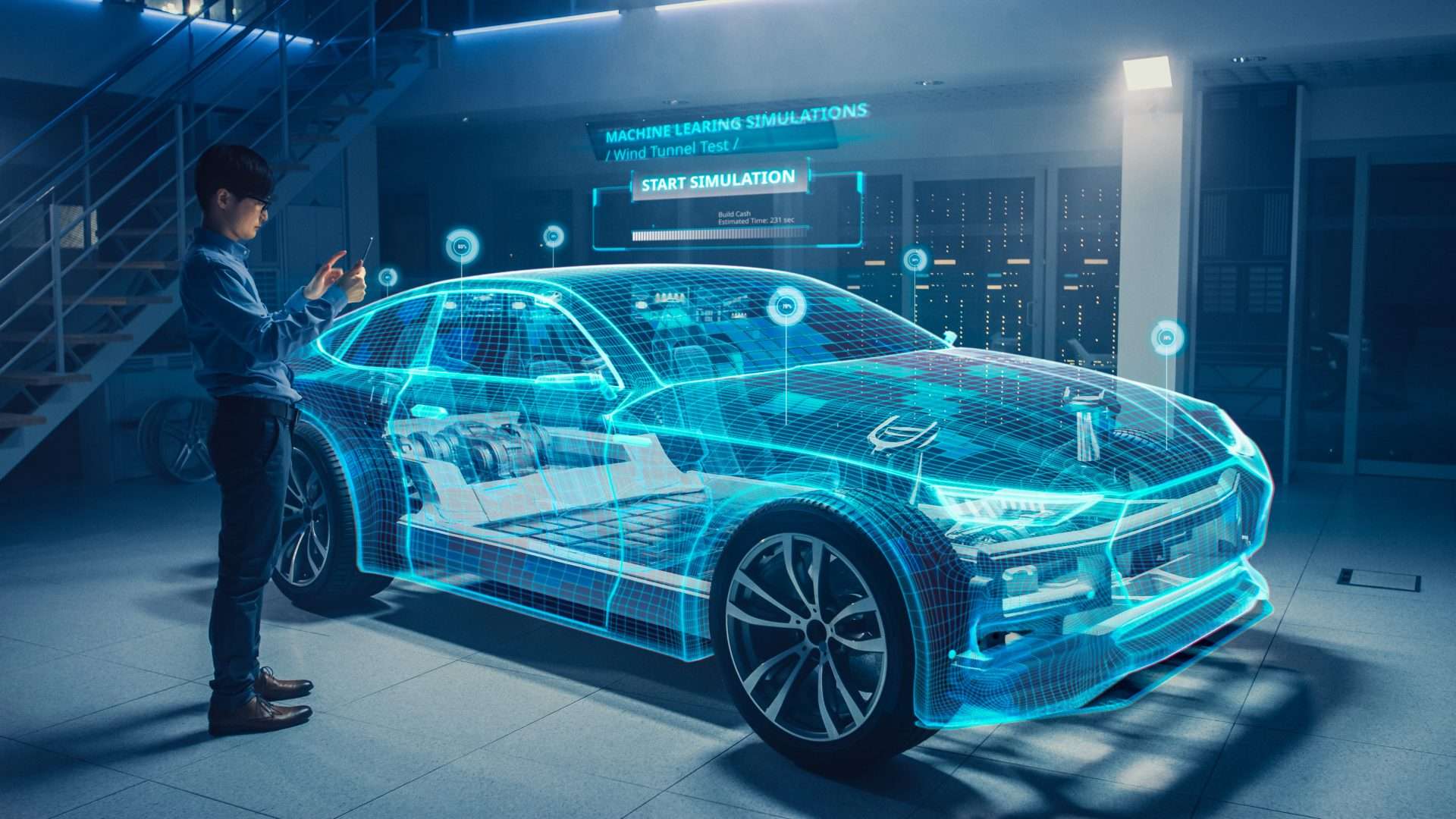
Electric vehicles differ from traditional vehicles in several key ways:
- They use electric motors instead of combustion engines
- Energy is stored in battery packs
- Charging replaces refuelling
- Running costs are typically lower
- Charging infrastructure and range are common customer concerns
Understanding these fundamentals helps teams guide customers through the transition to electric mobility.
Charging environments customers should understand: home, workplace and public network
Zero Emission Vehicle mandate is reshaping how dealerships think about EV sales targets
Lower BIK rates for EVs make them particularly attractive for company car driver conversations
Understanding Electric Vehicle Technology
Electric vehicles use electric motors powered by rechargeable battery packs. Key components include:
These systems replace many components found in internal combustion vehicles.
Range and Charging Considerations
Two of the most common customer questions relate to range and charging.
| Vehicle Range, range depends on: | Charging Options, EVs can be charged using: |
|---|---|
| Battery size | Home charging (AC wallbox) |
| Driving style | Workplace charging |
| Temperature | Public rapid chargers |
| Terrain |
Customers often benefit from understanding how these charging options fit into everyday routines.
Ownership Experience
EV ownership differs from traditional vehicle ownership in several ways.
| Common benefits include: | Customers may also consider: |
|---|---|
| Lower running costs | Charging access |
| Reduced maintenance requirements | Vehicle range suitability |
| Quiet driving experience | Long-distance travel planning |
| Lower emissions during use |
Understanding these factors helps customers make informed decisions.
Common Customer Questions

Customers frequently ask questions such as:
- How long does charging take?
- How far can the vehicle travel on a full charge?
- What happens if the battery runs out?
- How long does the battery last?
- What does servicing involve?
Providing clear and consistent answers helps build confidence in EV technology.
EVs in the Wider Market Transition
The automotive industry is undergoing a transition toward lower-emission vehicles. Electric vehicles are becoming more common as:
- Charging infrastructure expands
- Battery technology improves
- Government policy encourages electrification
Dealership teams play an important role in helping customers navigate this transition.

Practical Actions for Dealership Teams
- Understand basic EV technology and terminology
- Be prepared to answer common customer questions
- Explain charging options clearly
- Avoid technical jargon where possible
- Focus on how EV ownership fits into everyday life
Confidence in explaining EV fundamentals helps customers make informed choices.